The traditional energy sector is undergoing a transformation led by data analytics, allowing energy companies to convert historical data into real-time, actionable intelligence. Energy companies, using advanced visualization tools such as Microsoft Power BI, can now effortlessly monitor, analyze and optimize operations on desktop and mobile devices. In addition to improving operational efficiency, data analytics serves as a strategic enabler enabling innovation, accelerating sustainability goals and creating data-driven growth in a changing energy landscape.
According to McKinsey, big data analytics can aid in decreasing costs by up to 25% in the electricity value chain. By “big data”, we refer to new analytical capabilities and techniques, along with related technologies which allow new techniques to analyze large volumes of diverse energy data to discover patterns, insights and opportunities.
Some key capabilities of big data in energy include: handling large-complex energy datasets, high-speed data processing and analysis, data mining and pattern recognition, statistical modeling and machine learning, and visualization of data and results.
Challenges faced by Energy sector
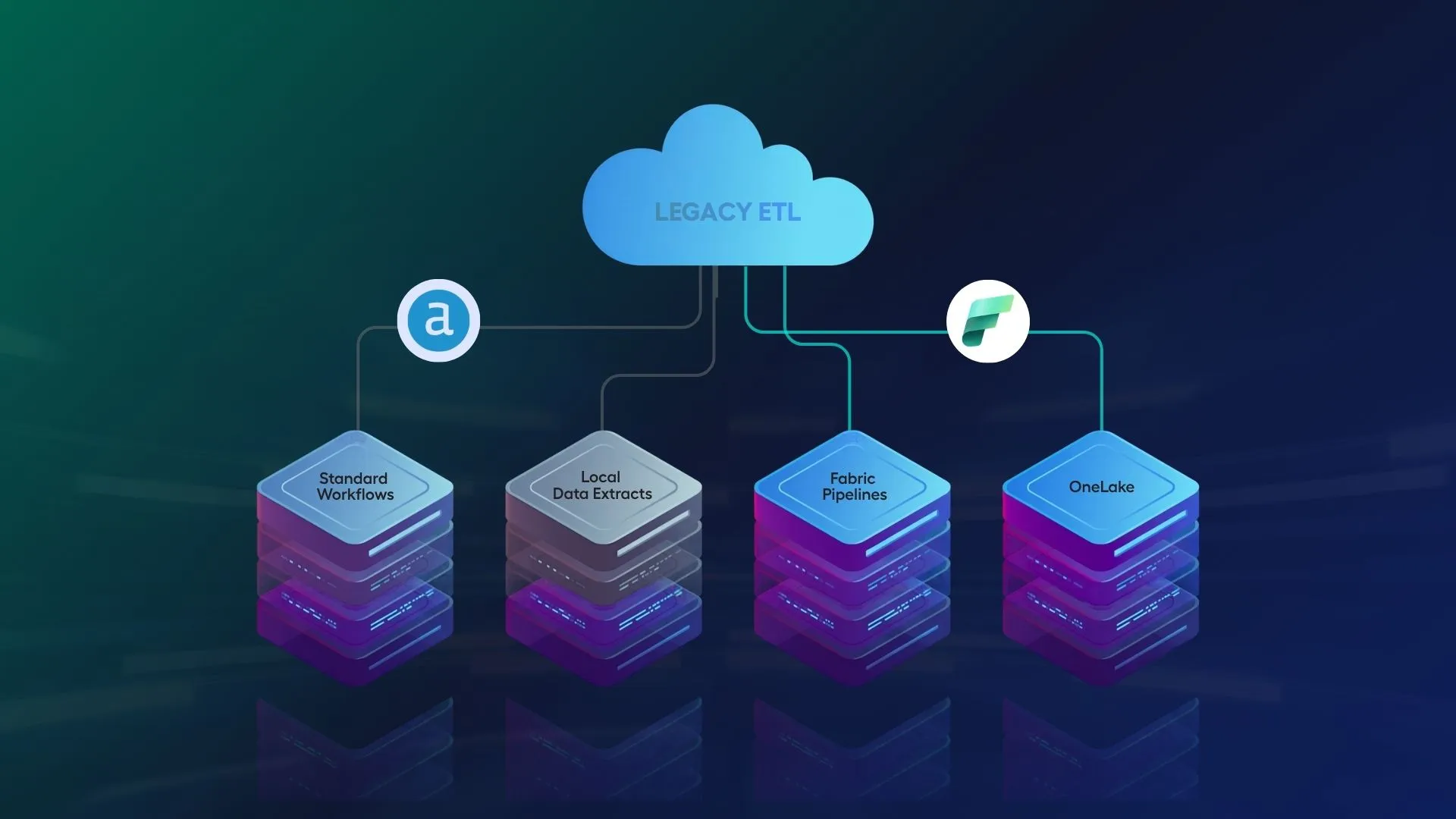
Energy companies have relied on legacy systems for years to collect and store operational data. These systems may include SCADA, smart meters, and various proprietary databases that can even be standalone without the ability to utilize data from other platforms. As a result, companies have struggled to achieve a unified view of operations, which has led to delayed decision-making, inability to capitalize on optimization opportunities, and increased operational risk.
Legacy data is typically static, residing in archival records that are not yet in a format that can be analyzed. Because of this, it is hard to pivot rapidly to changing circumstances particularly when energy demand increases and decreases, when equipment has a failure, and/or when regulations change. The inability to work with your data and have it presented in a visual format creates inefficiencies, increased cost, and loss of competitive advantage.
Key Benefits of Power BI in the Energy Sector
Power BI has been named a leader in the Gartner Magic Quadrant for Analytics and Business Intelligence Platforms for 18 consecutive years, indicating dominant industry adoption and trust in enterprise analytics scenarios, including energy.
• Real-Time Monitoring: Dashboards can be set to update in real time to provide immediate insight to operational performance. This can be critical in identifying and managing supply and demand, identify inefficiencies, and optimize resource allocation.
• Predictive Analytics: The advanced analytics component allows energy companies to forecast future trends and better inform decisions. For example, predictive maintenance may prevent equipment failures and reduce maintenance costs.
• Data Integration: Power BI integrates with other data sources, including IoT devices, SCADA systems, and ERP software, with ease to provide a single view of data across the organization.
• Collaboration and Reporting: Teams can collaborate better by accessing mobile-optimized dashboards and reports that are shared by all teams that promote transparency, allowing everyone to work off the same data.
• Scalability and Flexibility: Power BI is a cloud-based service with all of the capabilities and scalability of Business Intelligence, so as energy companies expand and add more data can grow with them. The software has a flexible design that allows customization based on the different needs of each business.
Real-World Applications
The ability of Power BI to process data in real-time is ideal for the energy industry. Additionally, Power BI works with many of Microsoft’s platforms, such as Microsoft 365 and Azure, helping energy companies to leverage their data infrastructure.
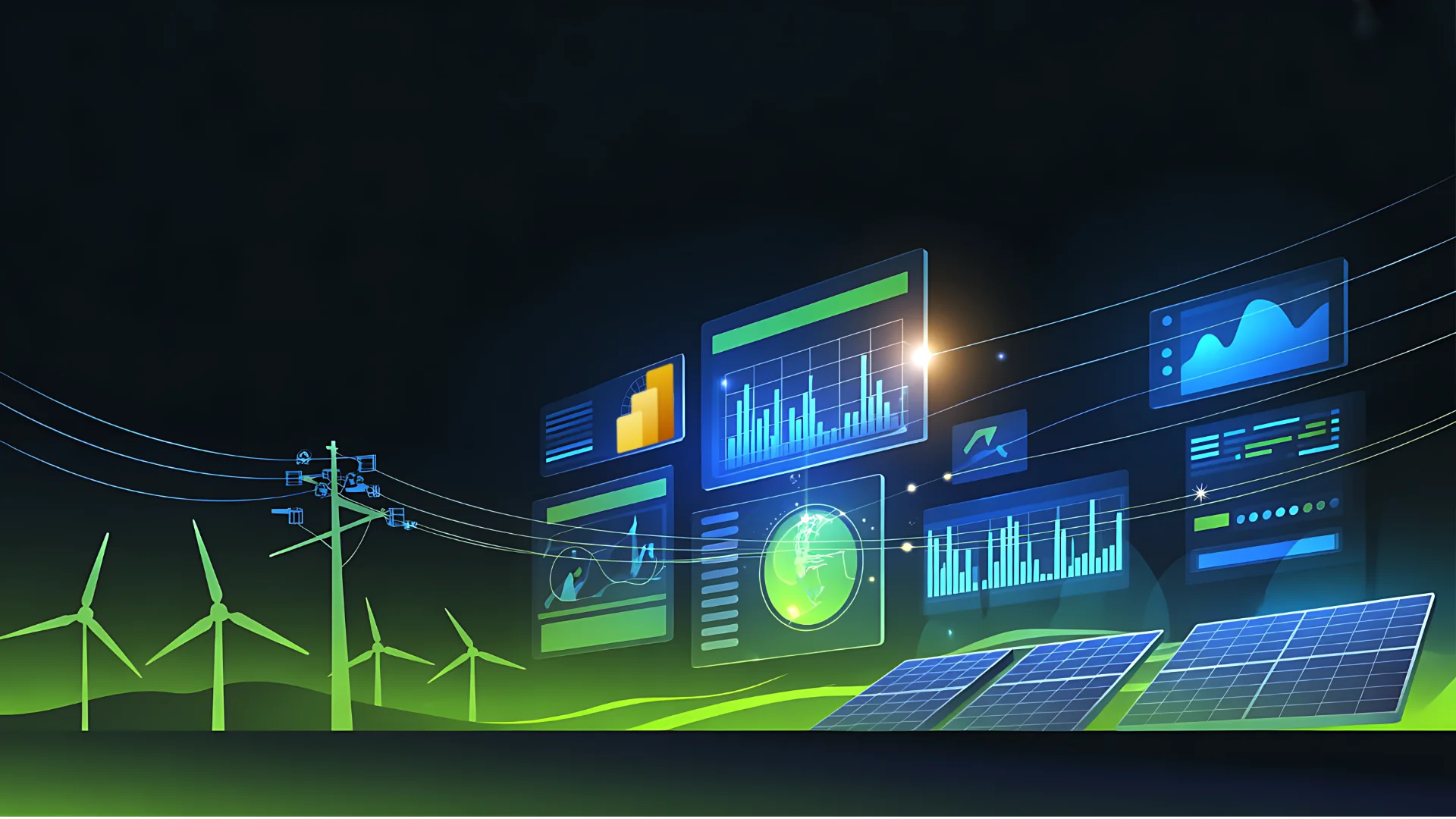
Microsoft Fabric is being utilized in the energy field to observe and monitor the status of energy production, consumption, and distribution in real time (e.g., frequency, characteristics, adequacy, reliability, and distribution). For example, renewable energy companies can lean on Power BI to observe production from solar panels, wind turbines, and hydro, and discover optimization and savings opportunities at the same time. At the same time, Power BI dashboards can highlight peak demand times, consumption patterns, and savings opportunities that various organizations can use to observe, plan for future needs, reliability, and potentially realize operational efficiency.
Conclusion
Microsoft Power BI is a powerful tool that enables organizations to integrate, analyze, and visualize data from multiple sources, providing immediate insights and driving operational excellence. Sparity is a trusted partner in this journey, offering innovative solutions that help energy companies modernize their systems, optimize their operations, and unlock new opportunities for growth and sustainability.
If you’re looking to transform your energy operations with data analytics and Power BI, Sparity is here to help.
Contact us today to learn more about our energy and utilities IT services and solutions
FAQ’s
How does Power BI improve real-time monitoring in the energy sector?
Power BI integrates live data streams from IoT sensors, smart meters, and SCADA systems, enabling energy companies to visualize operational data instantly.
Can Power BI help with regulatory compliance?
Yes. Power BI helps energy companies generate regulatory reports quickly and accurately, ensuring adherence to standards such as NERC CIP or environmental regulations.
Is Power BI suitable for predictive analytics in energy?
Power BI’s AI-powered features, including integration with Azure Machine Learning, enable predictive maintenance, demand forecasting, and asset optimization.
What kinds of energy data can Power BI connect to?
Power BI connects seamlessly with a variety of data sources, including IoT platforms, SCADA systems, utility billing databases, environmental sensors, and cloud storage solutions.
Is Power BI compatible with cloud platforms?
Yes. Power BI integrates deeply with Azure, Microsoft 365, and other cloud services, simplifying hybrid cloud strategies and enabling scalable analytics and collaboration across distributed teams and assets.