Speed has become a business expectation not just in how data is captured, but in how quickly it can be processed and acted upon. Yet, despite investments in high-end technologies, many organizations still struggle to handle high-volume, high-velocity data and convert it into timely, actionable decisions.
Real-time analytics addresses this gap by enabling data to be processed and analysed almost immediately after it is created or received. Instead of waiting for batch jobs or scheduled refreshes, insights are generated within minutes or even seconds allowing businesses to respond while events are still unfolding.
Benefits of Real-Time Business Analytics in Microsoft Fabric
Microsoft Fabric is an end-to-end data analytics platform that brings data movement, processing, storage, and visualization under one roof. All these are built on the scalable foundation of Azure Data Fabric architecture.
A key advantage of real-time analytics in Fabric is its tight integration with other analytical artifacts, including Lakehouses, Data Warehouses, and Machine Learning models. This allows streaming data to be enriched, analyzed, and used for predictive and prescriptive scenarios without moving data across systems.
Fabric also supports seamless connectivity with existing Event Hubs, enabling organizations to stream events directly into Fabric with minimal reconfiguration significantly reducing setup effort and operational overhead.
Table of Contents
Here’s how it specifically powers real-time analytics:
- Live Data Ingestion with Event Streams: Eventstreams enable the ingestion of massive volumes of data from diverse sources such as IoT devices, applications, websites, and system logs continuously and without latency.
- Real-Time Processing with KQL: Fabric supports KQL-based analytics (Kusto Query Language is a fast query language for streaming data), the same engine powering Azure Data Explorer. This helps in instant queries on streaming data, perform real-time data processing, detect patterns, and even trigger actions, often in sub-seconds, depending on your pipeline design.
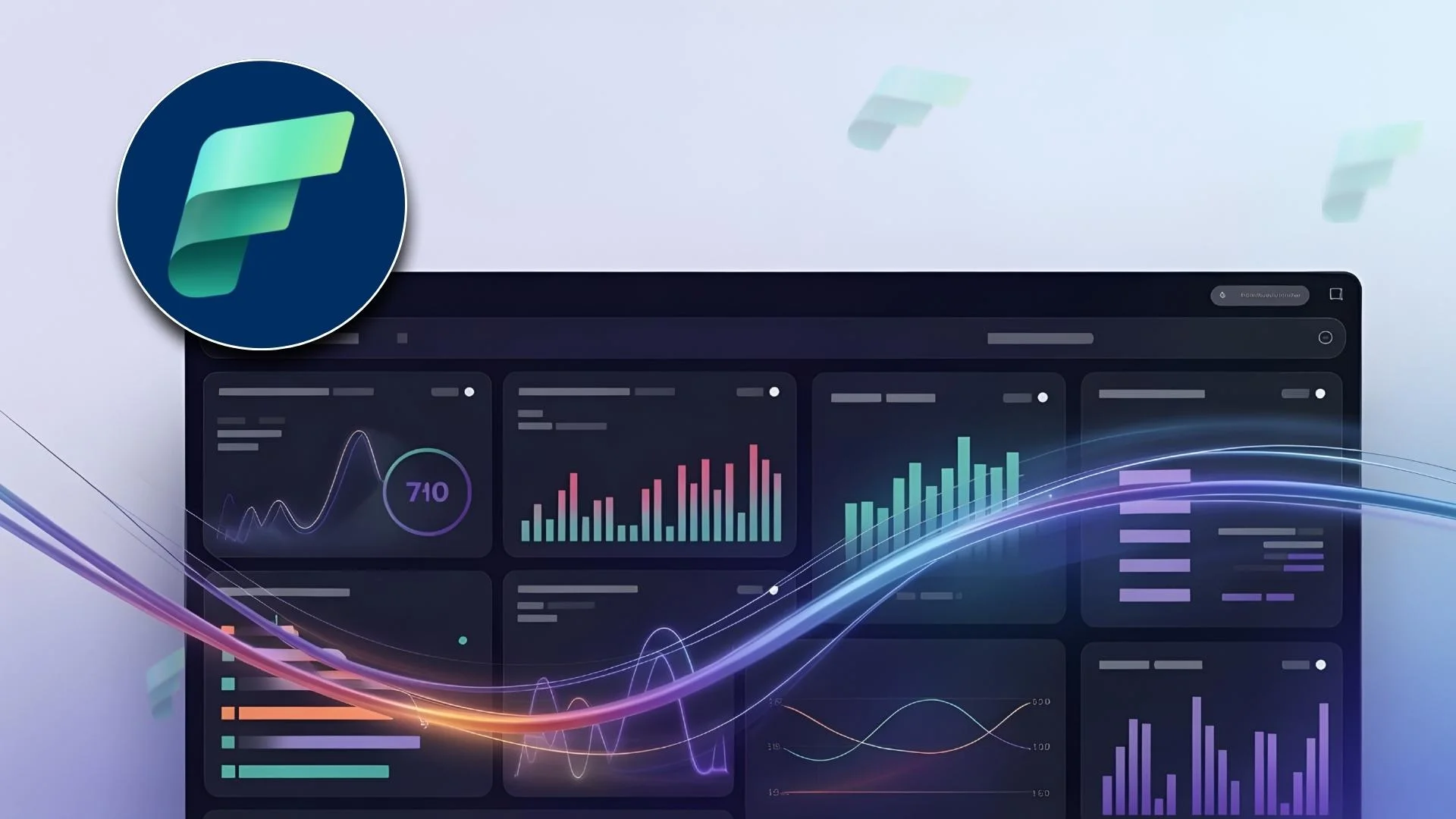
- Integrated Dashboards and Power BI Sync: Real-time data, irrespective of its purpose and volume, is only valuable when it is visible and actionable. Fabric integrates with Power BI to create real-time dashboards using Direct Lake Mode (this is the fastest access to large data in OneLake, Fabric’s unified data storage layer where all your information is centrally stored and accessed), Streaming Datasets (for real-time flows), or Push Datasets (manually updated data). That means intuitive dashboards and instant alerts are possible, without manual refreshes.
Key features of Real-Time Analytics in Microsoft Fabric:

- Real-time data processing: Process and analyze large volumes of streaming data with minimal latency, ensuring access to the most current information.
- Advanced analytics: Built-in analytics capabilities enable users to apply complex calculations and statistical models to real-time data for deep insights.
- Flexible visualizations: Availability of a wide range of visualization options, such as graphs, charts, and dashboards, to present data in a clear and understandable manner.
- Data Activator: Users can set up custom notifications and alerts based on predefined criteria, keeping them informed of important events or anomalies in real-time.
Real-Time Analytics offers a range of solutions, such as IoT analytics, Telemetry data, human and system logs and in many scenarios including manufacturing operations, cybersecurity, oil and gas, automotive and many more.
What RealTime Analytics Means in Fabric
Realtime analytics refers to the ability to process and analyze data as it arrives, with minimal delay.
Industry examples-
- Monitoring IoT sensors on a factory floor
- Tracking live clicks on an ecommerce site
- Detecting fraud attempts as transactions happen
- Updating dashboards continuously during events
By eliminating batch delays, Fabric transforms analytics from retrospective reporting into operational intelligence enabling decisions to be made at the moment they matter.
How Real-Time Analytics Flows
Here’s a typical pipeline in Fabric:
- Ingest live data through Eventstreams
- Process & clean events using filters and aggregations
- Store data in Eventhouse or a KQL Database
- Query instantly using KQL or via Copilot
- Visualize insights in dashboards or Power BI
- React automatically with alerts and activations
Real-time Intelligence 2026
Real-time intelligence enhances real-time analytics by extending it beyond observation into action. While real-time analytics is designed to ingest streaming data, process it quickly, and surface insights through queries and dashboards, it primarily answers the question: what is happening right now? It provides speed and visibility, but decision-making and response are still largely manual. Teams see anomalies, trends, or spikes in data, then decide what to do next.
Real-time intelligence builds directly on this capability by adding context, logic, and automation. It continuously evaluates live data against business rules, patterns, and thresholds, and determines the appropriate response as events occur. Instead of simply alerting a user, the system can trigger downstream actions such as blocking a transaction, escalating an incident, or initiating a workflow without waiting for human intervention.
This turns real-time data from something that is merely monitored into something that actively drives outcomes.
Conclusion
In Microsoft Fabric, real-time analytics is already being used as a core capability to handle high-volume, high-velocity data across business and operational scenarios. With native support for event ingestion, fast KQL-based processing, and tight integration with Power BI, Fabric allows organizations to monitor live activity, detect issues early, and make informed decisions without waiting for batch cycles.
Real-time analytics in Fabric fits naturally into modern data platforms because it works alongside lakehouses, warehouses, and AI models, making streaming data immediately usable across analytics and reporting workflows.
Looking ahead, real-time intelligence has the potential to significantly amplify the value of real-time analytics in Fabric by closing the loop between insight and action. By layering automation, business rules, and activation on top of live analytics, organizations can move from observing events to responding to them automatically. This shift turns real-time analytics into an after-process driver where insights continuously feed intelligent actions helping businesses reduce response time, minimize risk, and operate with greater efficiency.
Over time, this evolution positions Microsoft Fabric not just as an analytics platform, but as a real-time decision engine.
Ready to move from real-time insights to real-time action?
At Sparity, we help organizations design, implement, and optimize Real-Time Analytics and Real-Time Intelligence on Microsoft Fabric. Whether you’re starting with live dashboards or aiming to activate insights at machine speed, our experts help you build scalable, business-ready solutions that deliver measurable impact.
Contact us to turn your real-time data into real-time decisions.