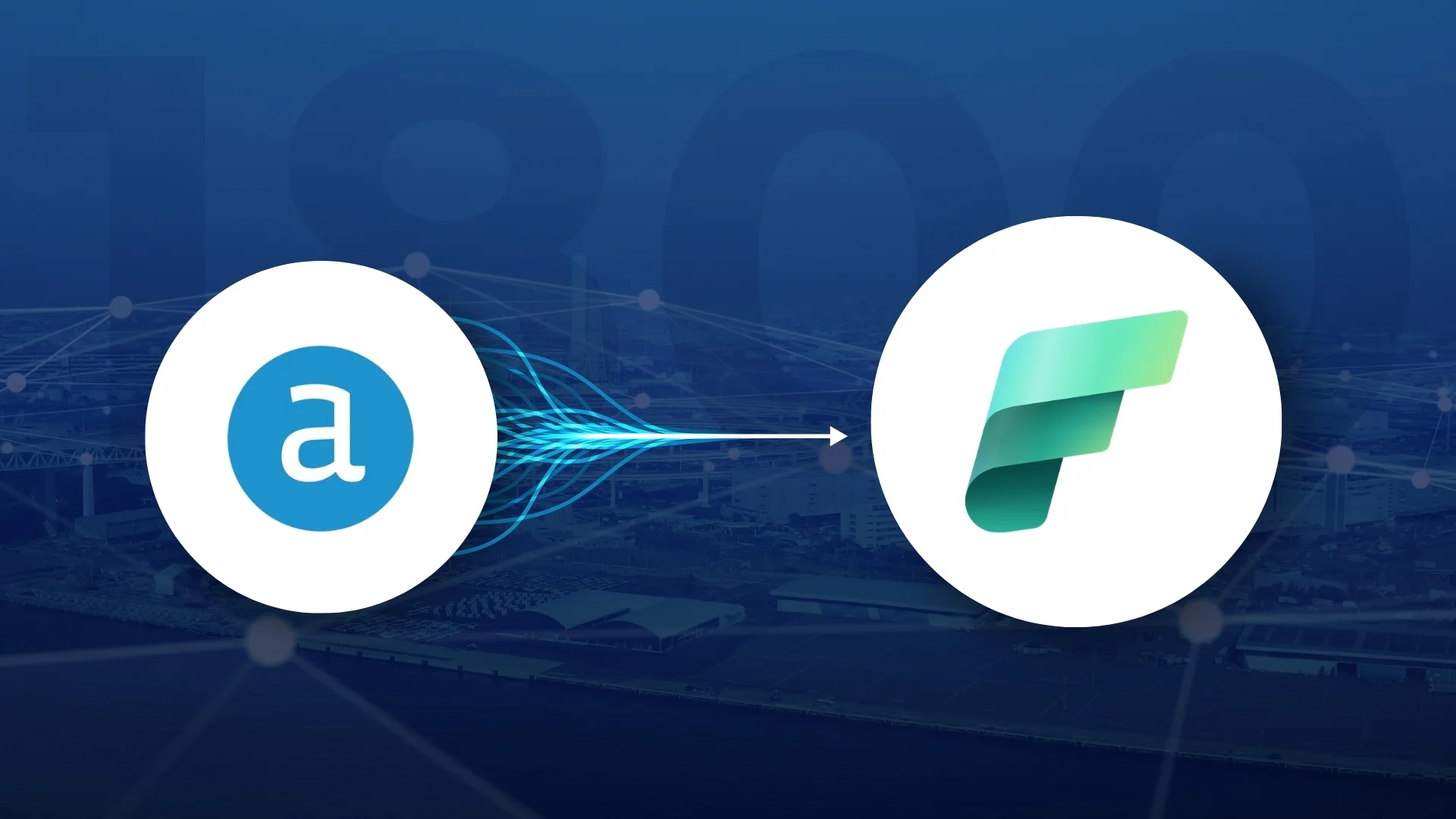
Alteryx Workflows to Microsoft Fabric: telecom enterprise had developed a large analytics environment over time, with nearly 1,800 Alteryx workflows used across multiple teams. While this environment supported critical business processes, the increasing number of workflows, decentralized ownership, and dependence on spreadsheet-based tracking made it difficult to manage and govern at scale.
Why Did they move from Alteryx Workflows to Microsoft Fabric?
The client relied on a large, decentralized Alteryx desktop environment with approximately 1,800 workflows managed across teams. Workflow tracking was handled manually through spreadsheets, making it difficult to assess complexity, identify duplicate workflows, and define migration priorities.
As the analytics environment expanded, the organization faced increasing challenges with –
- Lack of visibility into workflow complexity and structure
- High effort required to identify duplicates and unsupported tools
- Reliance on Excel-based tracking leading to inefficiencies and errors
- Difficulty in defining optimal migration paths for diverse workloads
- Limited scalability and governance in the existing analytics environment
Project Objectives
- Assess and analyze 1,800+ Alteryx workflows across the enterprise
- Identify workflow complexity, duplicates, and supported/unsupported tools
- Eliminate manual tracking and reduce operational overhead
- Define optimal migration strategies based on workload complexity
- Enable transition to a unified and governed analytics platform on Microsoft Fabric
Technology Stack
- Microsoft Fabric
- Dataflows Gen2
- Azure Data Factory
- PySpark
- SETU
How Sparity Automated the Alteryx Workflows to Microsoft Fabric
We implemented an automated Alteryx-to-Microsoft Fabric migration framework through proprietary accelerator- SETU. The solution analyzed more than 1,800 workflows, identified duplicate and unsupported tools, and mapped each workflow to the most appropriate Microsoft Fabric component, including Dataflows Gen2, Azure Data Factory, and PySpark notebooks.
- Automated workflow assessment through a portal-based ingestion framework
- Intelligent classification and mapping to the right Microsoft Fabric components
- Zero data-touch processing with minimal manual intervention
- Centralized orchestration replacing Excel-based tracking
- Sparity’s accelerator enabled automated migration, validation, and standardization
Results of the Migration
- 80–90% reduction in assessment time, reducing analysis from months to approx. a week
- 70% reduction in migration effort compared to manual approaches
- Automated identification of duplicate workflows and unsupported Alteryx tools
- Enabled zero data-touch execution, improving data security and consistency
- Improved governance, monitoring, and enterprise-wide visibility
- Established a single, cloud-native analytics platform on Microsoft Fabric
Key Highlight
By moving from a fragmented, manually managed Alteryx environment to a centralized and automated Microsoft Fabric platform, we enabled the telecom enterprise to modernize analytics workflows at scale, improve governance and visibility, and create a future-ready foundation for enterprise-wide reporting and decision-making.